Most marketers look at their CPL, see it creeping up month over month, and immediately start second-guessing their targeting. Wrong move. Your CPL problem doesn’t start with who you’re reaching—it starts with what happens after they click.
I’ve seen this across more accounts than I can count. The number in Campaign Manager is just the final symptom. The real cost comes from everything that happens between the scroll, the click, the landing page, and the tiny percentage of people who even bother opening your form.
The benchmark data makes this painfully obvious once you break it down.
This article walks you through that hidden math and shows you why CPL spikes even when your ads “look fine.”
Short, simple, and finally useful. Let’s get into it.
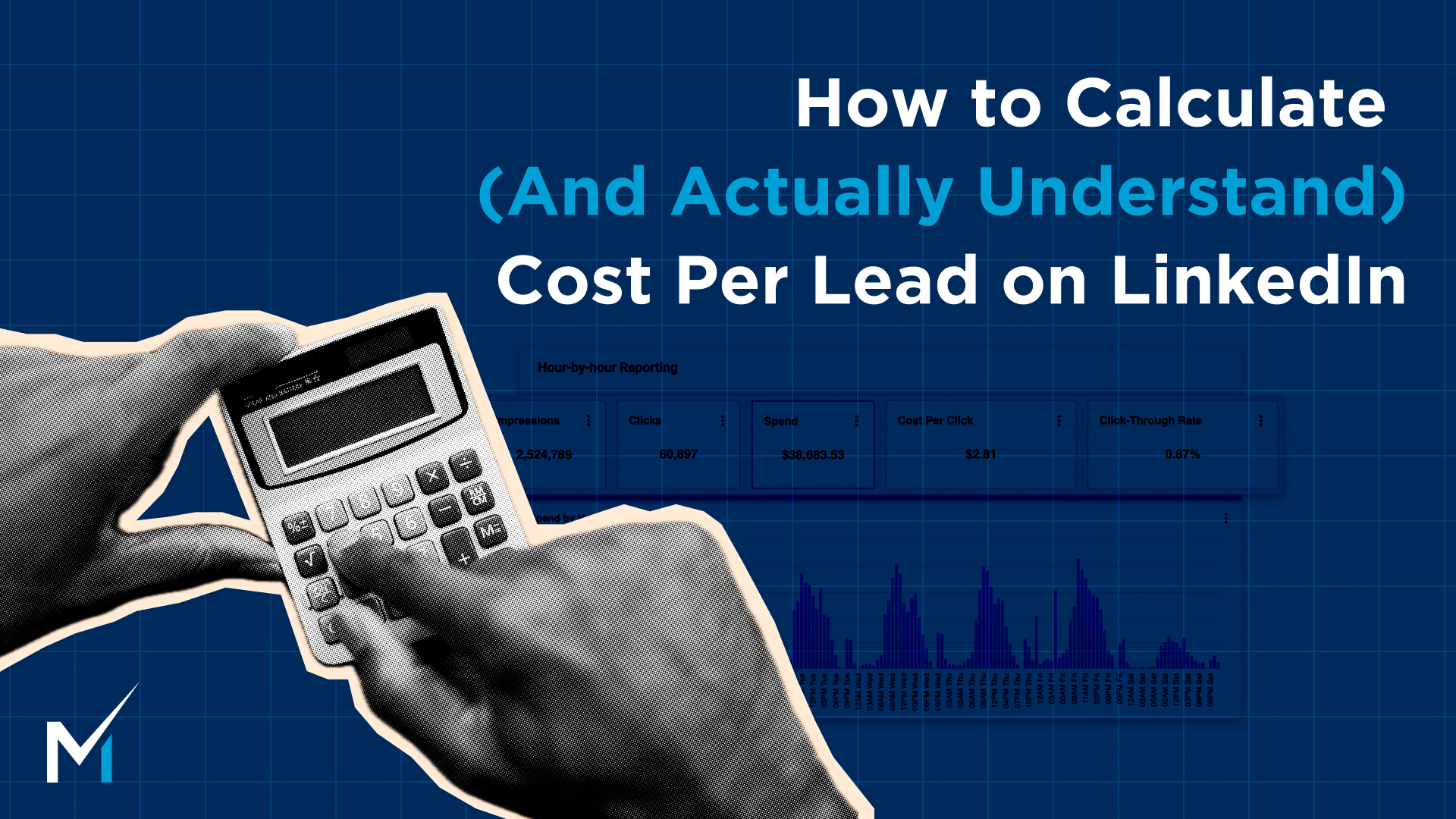
The Basic CPL Formula (And Why It’s Barely Half the Picture)
Let’s start with the easy part. CPL is just spend divided by leads. You already know that. Everyone knows that.
But here’s the part nobody likes to admit. If you’re only looking at the CPL number in Campaign Manager, you’re basically reading the last page of the book and pretending you know the plot.
CPL is an outcome. It’s what happens after a bunch of other steps either worked or fell apart. It’s not the thing you diagnose. It’s the thing you explain once you figure out where the funnel actually broke.
So yeah, the formula matters. But the story behind it matters a lot more.
The LinkedIn Funnel That Actually Dictates Your CPL
This is where things get messy and where the money leaks out.
Everyone loves talking about CPC and form design, but the real damage happens in the middle of the funnel. The benchmark data makes it pretty clear. Out of everyone who clicks your ad, only about 2.99 percent even open the form. Once they open it, around 23.1 percent finish submitting. That means roughly 1 in 145 clicks becomes an actual lead.
So your real CPL is basically your CPC divided by that tiny click-to-lead rate. If your opener rate is weak, your CPL is done before the form ever loads.
Here’s the part most advertisers miss. Every time someone panics about high CPL, nine out of ten times the problem is the form open rate, not the CPC and not the form fields. They end up fixing the wrong part of the funnel, and the number never moves.
Once you understand this drop-off, CPL finally stops feeling random and starts making sense.
Native Forms vs External Landing Pages (And Why “Cheap Leads” Usually Cost More)
Let’s be honest. Native forms look great on paper. The CPL inside Campaign Manager always seems lower, and the volume feels solid. The problem is they also tend to pull lower-intent leads. The volume looks great until sales tells you most of them aren’t converting.
External landing pages flip that. They look expensive at first glance, but once you follow the money, the story changes fast. The benchmark numbers tell it straight. Native forms average around $810 per lead. External conversions sit closer to $221.
So don’t let LinkedIn trick you with that shiny CPL in the UI. Low-intent leads are cheap until you actually have to sell to them.
This is where DemandSense helps. It shows which paths create real opportunities, not just form fills, so you know exactly where your budget should go instead of chasing the channels that only look efficient on the surface.
The Engagement-Intent Gap (The Part Nobody Wants To Admit)
Here’s the uncomfortable truth most agencies won’t admit: engagement is a terrible predictor of leads. The people liking your ad aren’t the ones filling out your form or booking a demo. They’re just… liking your ad.
The benchmark data backs it up. The correlation between engagement and actual leads is basically zero.
What does matter are the signals that show real buying behavior. Pricing views. Repeat visits. High-intent content. Product comparison pages. Those are the actions that actually push CPL down and create pipeline.
How To Diagnose a High CPL (Before You Burn More Budget)
When CPL jumps, don’t start flipping switches at random. Walk through it in order. This is the same process I use when I audit accounts.
Start with CPC, but look at it in context. Don’t panic about an $8 CPC if everything downstream looks solid. A high CPC with strong conversion is usually fine. If your CTR is weak or your targeting feels off, fix that first.
Then check your form open rate. This is the real killer. Three percent is the benchmark. If you’re sitting under that, the message match is off. Either the ad promised one thing, and the landing page delivered something else, or the offer didn’t line up with what the visitor expected. Landing page misalignment destroys CPL faster than any bid strategy ever could.
Split CPL by lead type. Not all leads deserve to be in the same spreadsheet. Break out native form leads, external page leads, and your high-intent leads. Once you split them, patterns appear fast. You’ll see which group is bloating the average and which one actually produces pipeline.
Check your retargeting depth. Single-touch retargeting doesn’t do much. Most people need more than one reminder before they come back. When you build a multi-touch sequence, the conversion rate climbs fast. The benchmark data shows about a 2.5x lift once you add that depth. It’s one of the quickest ways to bring CPL back under control.
The Right Way To Lower CPL (Without Chasing Cheap Clicks)
If you want real improvements, stop chasing the lowest CPC and start improving the intent of the people clicking in the first place.
Intent-based targeting beats demographic targeting every time. When you hit people who actually care about the problem you solve, your opener rate jumps and CPL drops without touching bids.
Then fix the message match. Clear offer, clear promise, no surprises on the landing page. Better message match leads to a higher opener rate, which is the lever that moves CPL more than anything else.
Cut the extra form fields you don’t need. Tighten the experience. Make it easy for people who already want what you sell.
Make sure your tracking is clean so your CPL isn’t being calculated off bad data. If you don’t have tracking sorted, start here with our GA4 guide.
And use your creatives to filter out people who aren’t buyers. A sharper angle attracts the right people and repels the wrong ones, which is exactly what you want when CPL matters.
Most of your CPL problems vanish when you stop trying to please everyone and start speaking directly to the people who are actually ready to buy.
When CPL Stops Being the Metric That Matters
Once your tracking is tight and the funnel is mapped properly, CPL stops being the thing you optimize. It becomes a lagging metric. Useful to glance at, not useful to steer with.
The real metrics start showing up once leads hit sales. Cost per sales conversation. Cost per opportunity. Cost per pipeline dollar. These tell you if your ads are pushing serious buyers or just filling spreadsheets.
This is also where external landing page leads pull ahead. They look more expensive at the top but usually win by a wide margin once revenue enters the picture.
If you graduate from CPL to pipeline economics, you’re already ahead of most LinkedIn advertisers. That’s where the real decisions live.
Wrapping Up…
CPL only feels random when you’re staring at the surface. Once you understand the funnel and where the real drop-offs happen, the number starts making sense.
The benchmark data shows exactly why CPL spikes, and tools like DemandSense help you see the intent layers LinkedIn doesn’t show you. When you know what buyers actually do before they convert, every decision gets easier.
If you want help breaking down your funnel and fixing the actual leaks, our team works with advertisers on this exact diagnostic process. Worth a conversation if your CPL has been stuck for more than two quarters.
Once you stop guessing and start reading the signals, LinkedIn becomes predictable. And predictable is where you can finally start scaling without burning budget on guesswork.